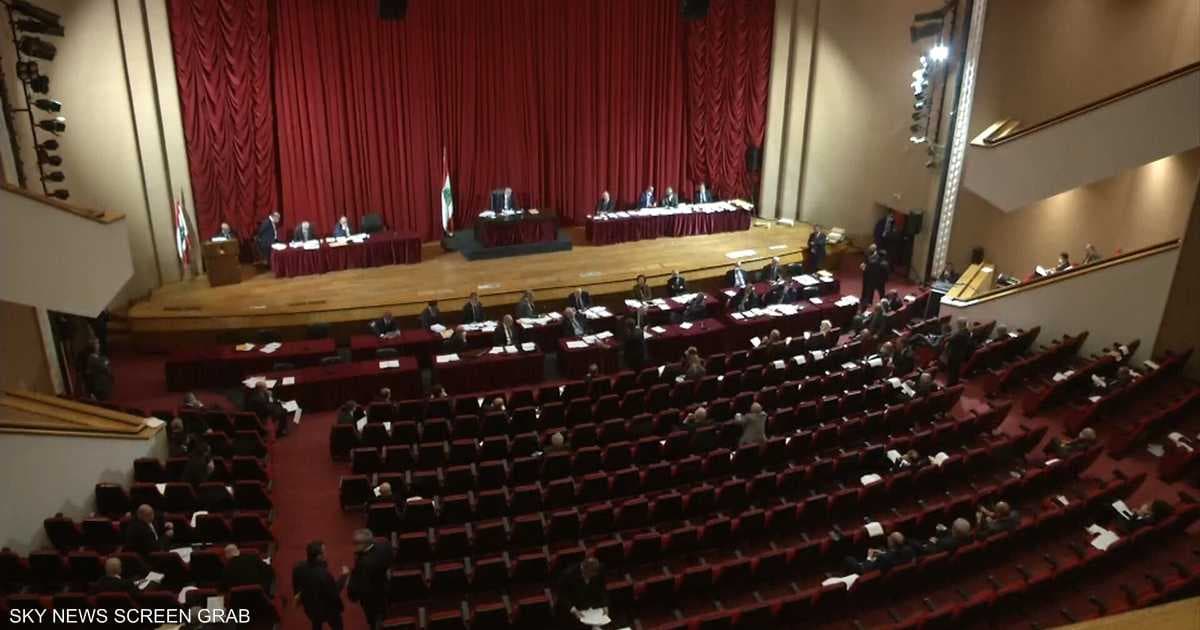
Lebanese parliamentarians will receive a monthly salary increase of $2,000 through funds from the legislative council's cooperative fund, bringing their total compensation to approximately $5,000 each month. According to circulating reports, the increase will be funded through a transfer of funds from budget reserves based on a government decree, with the funds paid in a lump sum rather than in stages.
The controversy has been triggered by the timing of the announcement, which comes several months after parliament extended its members' term in office for two years. Meanwhile, large numbers of public sector workers are receiving limited salary increases or staged increases that do not keep pace with the collapse of their purchasing power due to the economic crisis.
Maron al-Kholi, head of the General Federation of Lebanese Workers' Unions, said the increase "cannot be socially and economically justified" and called for disclosure of the legal and financial basis and its annual impact on state coffers. Al-Kholi added that whilst the federation does not oppose salary corrections, "protection should not become a privilege for a group of officials, while workers, employees, military personnel, and retirees bear the burden of austerity and receive their rights in stages".
Constitutional observer Eli Kyrillus explained that the legality of this step depends on how the funds are used. If the increase is intended to fund services permitted by the cooperative fund system, the fund transfer may be lawful. However, if the increase is distributed in cash to parliamentarians to raise their compensation from $3,000 to $5,000 without amending the law, serious legal concerns will arise. Kyrillus added that if this decree results in an increase in income without legal basis, the measure may be subject to challenge in the State Shura Council on the grounds of abuse of executive power.
Economist Jassem Ajaka warned that expanding the total wage budget creates additional pressure on public finances, which currently allocate between 60 and 70 per cent of actual government revenues to salaries. Ajaka said that funding the permanent increase from budget reserves reflects a "hidden deficit", since reserves should be used for emergency spending. He cautioned that spending without sustainable revenues could force the government to draw dollar liquidity from the market or increase pound note printing, which threatens monetary stability and drives inflation.
Criticism has spread across social media and streets, with focus on the timing of the increase and spending priorities. Employees are demanding salary corrections that include all parties, whilst retirees say the gap between their income and parliamentarians' compensation deepens the sense of injustice. Small business owners are questioning the source of funds amid the government's financial difficulties, whilst students and independent professionals argue that the issue is not just the figure but the lack of transparency and priority given to parliamentarians compared with groups in greater need.