The two most influential organisations in the energy market presented two conflicting views about the direction of this year on Wednesday. The International Energy Agency (IEA), now forecasts that the world will burn less oil in 2026 than in 2025, marking the first forecast of this kind since the COVID-19 pandemic nearly crippled the global economy, while OPEC still depicts a demand growth path that leaves a gap of more than two million barrels per day between the two.
The IEA, headquartered in Paris, forecasts global oil demand will fall by 1.6 million barrels per day in 2026, a decline of 510,000 barrels per day compared with its July forecast. The agency stated that "the ongoing closure of the Strait of Hormuz and rising fuel prices continue to put pressure on oil consumption," leading it to lower its projection for the second half of this year by around 550,000 barrels per day.
By contrast, the Organisation of the Petroleum Exporting Countries (OPEC) still forecasts demand growth, even as it lowered its projection for the fourth consecutive month to 580,000 barrels per day from 780,000 barrels per day. The producer group continues to assert that war-related damage to consumption is smaller than shown by Western forecasts, with figures from both sides showing a gap approaching 2.2 million barrels per day in the volume of oil the world will burn this year.
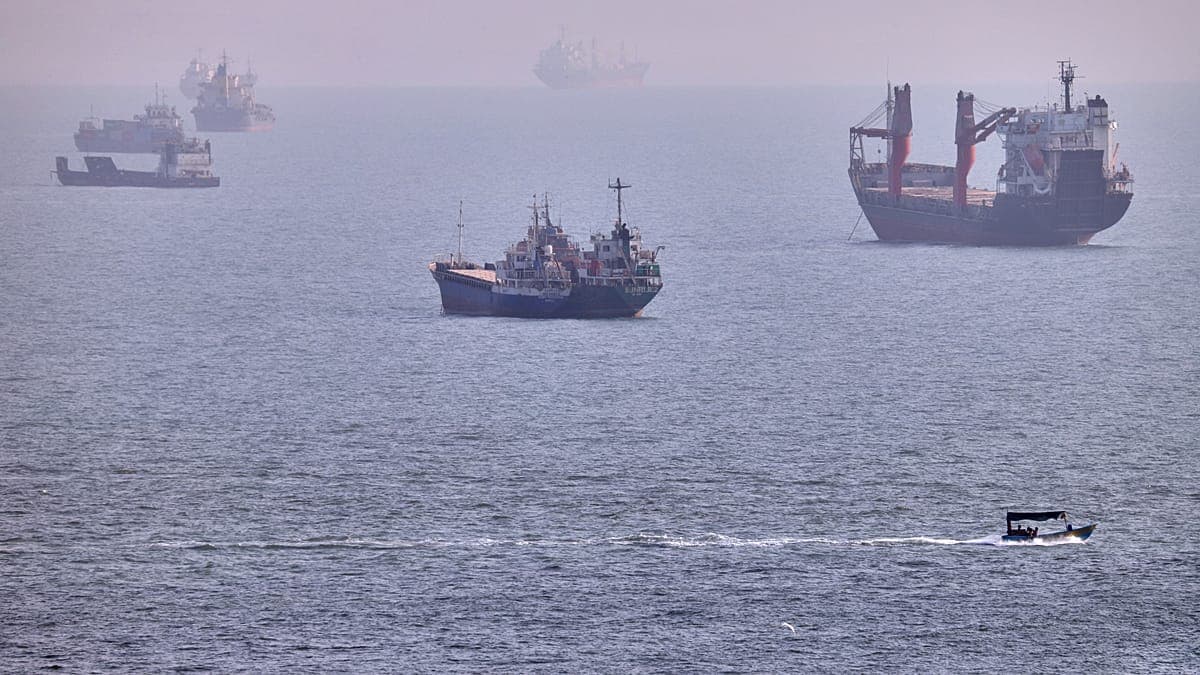
Supply data explains this level of pessimism. Global production rose in July by 2.4 million barrels per day to 101.5 million barrels per day, but remained 6.3 million barrels per day below the year-ago level, with 8.3 million barrels per day of Gulf state production remaining shut down. Gulf production rose to 23.9 million barrels per day, but the region's exports fell by 2.1 million barrels per day to 15 million barrels per day after the Strait of Hormuz was effectively closed again in early July and tankers and infrastructure came under attack, lowering the volume shipped from 20 million barrels per day to around 12 million barrels per day.
Without an agreement to reopen the waterway or secure transit through the Bab al-Mandab, the IEA lowered its supply projection again, now anticipating a production decline of 4.3 million barrels per day this year. Monitored global stocks also fell in July by 69 million barrels to just below 7.9 billion barrels, down 410 million barrels since the war began.
One point of agreement between the two sides is 2027. OPEC now forecasts demand will grow in 2027 by 2.2 million barrels per day, up from 1.94 million barrels per day in last month's projection, while the IEA goes further with a growth forecast of 2.4 million barrels per day. This displays a paradox worth noting: the agency most pessimistic about this year presents a more optimistic forecast for next year.
The IEA sees the damage as lying in supply line blockages rather than demand collapse—oil that cannot reach buyers rather than lost demand—so the deeper this deficit this year, the sharper the recovery once the Strait of Hormuz reopens. OPEC, which has never acknowledged that consumption has declined much, does not have much room to make up for losses. Its vision is explicitly dependent on an assumption of easing tensions and gradual recovery flows, turning this year's supply contraction of 8.3 million barrels per day, converting a deficit of around 1.3 million barrels per day into a surplus of 4.6 million barrels per day.