Indigenous youth in Australia are detained at dramatically higher rates than non-Indigenous peers, according to a recent report from the Australian Government Productivity Commission. The report, which examined progress under the National Agreement on Closing the Gap, found that Indigenous detention rates are rising rather than falling.
The rate of First Nations prisoners reached more than 2,500 per 100,000 adults in 2025, up from more than 2,300 the previous year and more than 550 in 2019. Among youth aged 10 to 17, the detention rate stood at 25.7 children per 10,000 on an average day in 2024-25, showing no progress toward a target of a 30 percent reduction by 2031.
The National Aboriginal and Torres Strait Islander Legal Service reported that Indigenous youth spend significantly longer in unsentenced detention than other populations. The average length was 57.2 days nationally, with Queensland recording 96.3 days and Victoria 81.1 days. The service's General Manager, Nick Espie, said the data showed Aboriginal and Torres Strait Islander children without guilt findings were "being locked up at alarming rates and for alarming amounts of time."
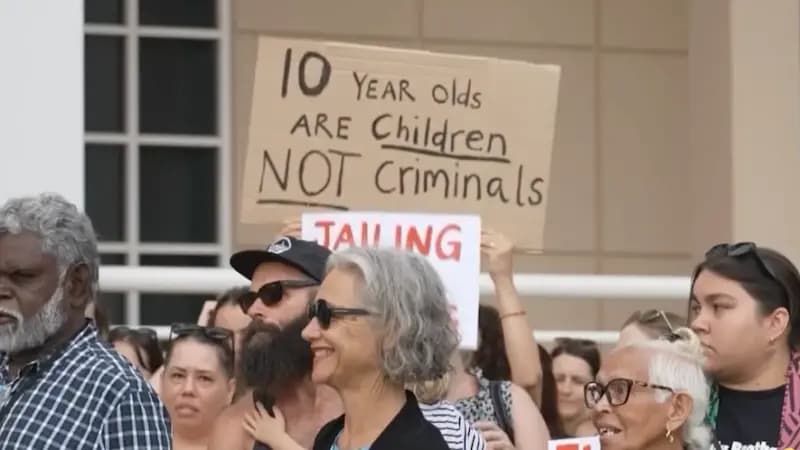
In May 2026, the United Nations Committee on the Elimination of Racial Discrimination expressed alarm over the persistent overrepresentation, warning that it reflects systemic and structural racial discrimination. The committee noted that in several Australian states and territories, the minimum age of criminal responsibility is as low as 10 years old, below international standards.
More than 200 organizations, including the National Aboriginal and Torres Strait Islander Legal Service, endorsed an open letter to Prime Minister Anthony Albanese calling for an emergency summit on youth justice. Amnesty International Australia launched a campaign in August 2026 calling for enforceable minimum standards for children in custody, a raised age of criminal responsibility to at least 14, and investment in Indigenous-led community solutions.